

In the world of heavy haul trucking, lowboy trucks are the unsung heroes, taking on the toughest jobs where other trucks just won’t cut it.
These specialized trailers have a unique design that sits closer to the ground, allowing them to haul exceptionally tall or heavy equipment.
When construction, mining, or industrial companies need to move massive, heavy-duty machinery like bulldozers or excavators, a lowboy truck is often the go-to choice.
The name “lowboy” comes from the trailer’s design, as it sits closer to the ground or “low” to handle tall, heavy loads safely and legally.
The low deck height is crucial because, with many state regulations limiting how high trucks and trailers can be on the road, a low deck lets these trailers carry taller loads without requiring special permits or route adjustments.

A lowboy truck, often called a lowbed or double-drop trailer, is a type of flatbed trailer that sits much lower to the ground than standard trailers. Its design allows for heavy loads with tall heights, as it sits just inches above the ground, significantly reducing the trailer’s overall height. This means that even with tall machinery loaded, the entire rig often stays within the legal height limits, avoiding additional permit requirements.
What Are Lowboy Trucks Used For?
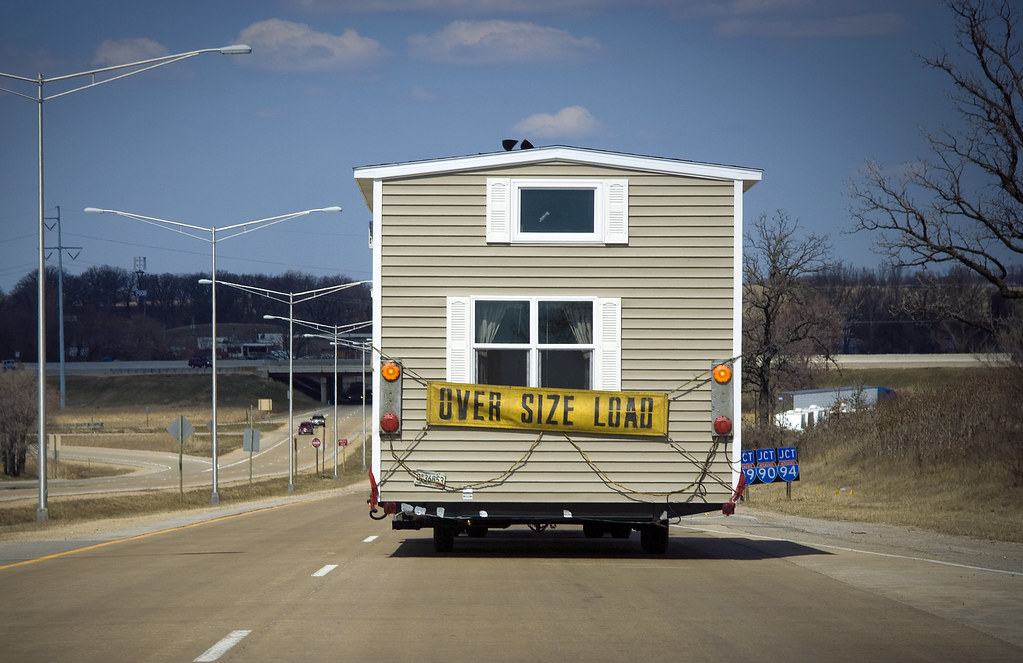
Lowboy trailers are essential for hauling oversized or overweight loads, particularly those that exceed height restrictions on regular flatbeds. Industries like construction and agriculture depend on lowboys to transport their largest machinery, including bulldozers, cranes, agricultural combines, large tanks and even mobile homes.
This specialized trailer’s ability to handle heavy, tall equipment makes it invaluable when transporting items that would otherwise need multiple trailers or specialized handling.
Types of Lowboy Trailers
Lowboy trailers come in various designs to accommodate different hauling needs. Here are some of the common types:
- Fixed Gooseneck (FGN): Offers the ability to load from the rear of the trailer and provides high weight capacity. Its “fixed” neck means it’s a single, rigid structure.
- Removable Gooseneck (RGN): Allows the trailer deck to detach, creating a ramp for easier loading and unloading. This is useful for wheeled or tracked machinery that can drive directly onto the trailer.
- Double-Drop Trailer: This style has two drops in the deck, creating an even lower section for extremely tall loads. It’s used for items that are tall and heavy, keeping within road height regulations.
Each of these types is suited to different loading and transport needs, allowing for flexibility when dealing with various cargo types.

The Fixed Gooseneck (FGN) lowboy is known for its stability and weight-bearing capacity, making it ideal for exceptionally heavy loads. Since the gooseneck is fixed, this trailer type offers a straightforward structure that’s especially beneficial for hauling heavy cargo that doesn’t require frequent loading and unloading. However, since loading occurs only from the rear, it may not be as flexible for certain types of equipment that require easier, more direct access.
On the other hand, the Removable Gooseneck (RGN) lowboy offers much greater flexibility due to its detachable neck, creating a ramp that allows equipment to be driven directly onto the trailer. This feature is especially useful for wheeled or tracked machinery, such as excavators or tractors, as it makes loading and unloading quick and straightforward. RGNs are often preferred for heavy machinery that needs to be offloaded directly at a job site without additional lifting equipment. While versatile, RGNs are generally more complex and slightly heavier, making them less ideal for situations where overall trailer weight is a key concern.
The Double-Drop Trailer brings a unique design with two drops in the deck height, resulting in an extremely low middle section. This design makes it the best choice for extremely tall loads that must stay within height restrictions for road travel, such as industrial tanks or large generators. The double-drop configuration also lowers the trailer’s center of gravity, which provides stability for oversized, tall cargo. However, the complexity of the deck design can limit space for particularly long items, and in certain situations, an RGN or FGN may offer more deck space flexibility. Each type of lowboy trailer serves a unique purpose, giving trucking companies and freight brokers tailored options for different hauling challenges.
Sizing and Weight Details
Typically, lowboy trailers are around 25 to 30 feet long, though extended configurations can reach up to 60 feet to accommodate oversized equipment.
The trailer’s deck height, often between 18 and 24 inches from the ground, allows for the transport of tall equipment while keeping the load within legal height limits for road travel.
In terms of width, lowboy trailers are usually 8.5 feet wide, which fits within standard road regulations. However, for oversized loads, widths can extend to 10 feet or more, though wider trailers may require additional permits and special travel routes.
The weight capacity of lowboy trailers varies significantly depending on their axle configurations. A standard two-axle lowboy can typically handle up to 40,000 pounds, while multi-axle models can be configured to support up to 80,000 pounds or more, with each additional axle increasing both load capacity and stability.
Some heavy-duty lowboy trailers can support even greater weights, often up to 150,000 pounds or more, by utilizing special configurations and custom engineering.
It’s also essential to consider axle laws and weight distribution regulations that vary by state, which can affect the number of axles required and overall load allowances.
Legal Requirements and Driver Qualifications
Transporting with a lowboy trailer involves specific legal requirements, especially for oversize or overweight loads. Many states require permits for loads that exceed standard height, width, or weight limits, and routes must be planned to avoid low bridges or weight-restricted roads.
Drivers hauling lowboy trailers must also possess the proper qualifications and training to handle oversized loads. This can include obtaining a Commercial Driver’s License (CDL) with special endorsements, as well as familiarity with lowboy trailer handling, which can differ significantly from other types of trailers due to their low clearance and heavy load distribution.
To summarize, if your cargo is exceptionally tall, heavy, or otherwise challenging for a standard flatbed trailer, a lowboy trailer is likely the right choice. Industries that regularly move construction equipment, mining machinery, and agricultural vehicles turn to lowboys because they’re uniquely designed for these types of loads.
Are you a freight broker? We can help you get new shipper leads with active loads…


