

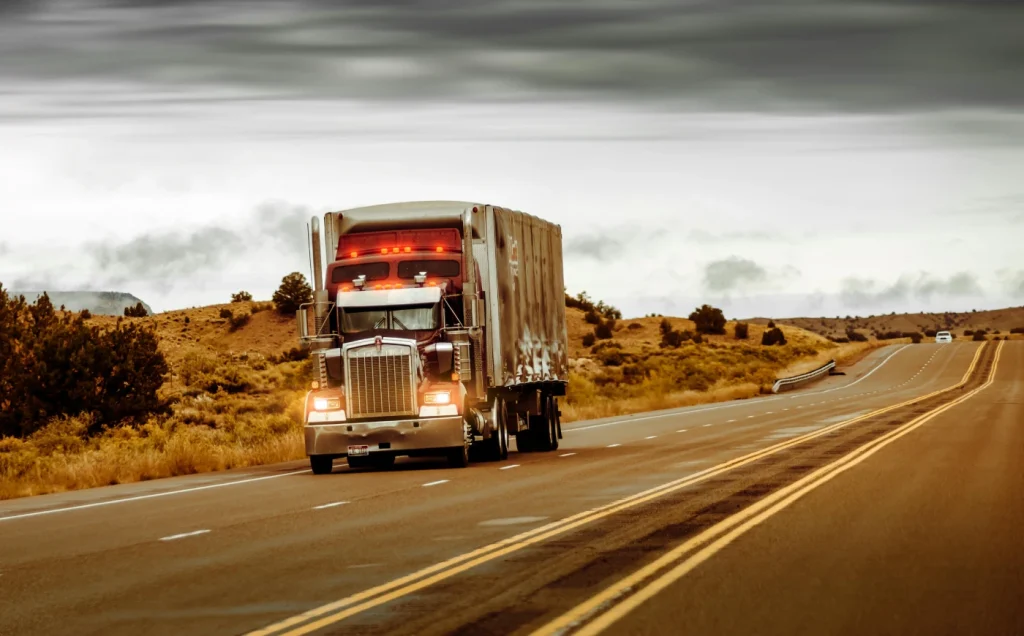
Shipping lanes, also known as trucking lanes or freight lanes, are the carefully planned routes that trucks follow to transport goods efficiently and safely across vast distances.
Designed with strategic routes, shipping lanes take into account factors like traffic density, road infrastructure, geography, and the seasonal shifts that impact cargo flow.
For anyone involved in freight logistics, understanding the role and optimization of shipping lanes is essential for streamlining operations, minimizing costs, and meeting delivery timelines.
For freight brokers, shipping lanes are vital for accurately estimating transit times and determining costs, enabling them to provide clients with dependable quotes.
What Are Shipping Lanes?
A shipping lane is a preferred route that trucks and other freight carriers take when moving goods from point A to point B.
Just as highways create a structured pathway across states, trucking lanes create a structured flow of goods, ensuring that trucks are routed efficiently from distribution centers to various destinations.
A regularly crowded route with consistent truck traffic often becomes recognized as a shipping lane. When a route has consistent, high-volume freight movement—usually due to strong economic demand between specific regions or cities—it becomes an established shipping lane, or “freight lane.”
Shipping lanes typically connect major hubs, cities, and commercial regions across the country. For instance, a shipping lane might run consistently from Los Angeles to Dallas due to the high volume of goods exchanged between these cities, becoming a common, well-traveled path for trucks.
Shipping lanes aren’t just about any busy route; they’re marked by the reliability and frequency of freight activity that supports ongoing commerce.
A trucking company or freight broker relies on these lanes to estimate transit times, calculate costs, and predict the likelihood of efficient deliveries.
Shipping Lane Example
An example of a key shipping lane from a freight broker’s perspective is the route between Los Angeles, California, and Dallas, Texas.
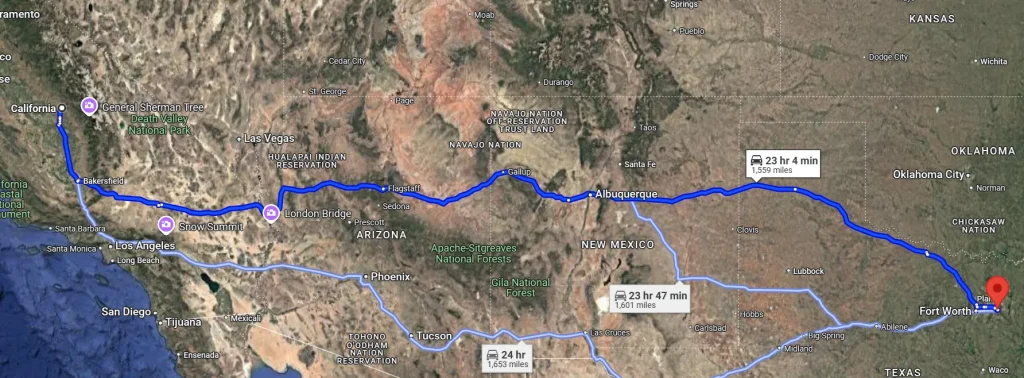
Route: California to Texas
Frequency: Once a week
Stops: Pick up the cargo at production facility in California and deliver it to a distribution center in Texas. This is an example of a shipping lane.
Due to its frequency, this route helps brokers and carriers maintain a steady flow of goods, ensuring trucks are rarely idle. Freight moves back and forth on a near-daily schedule, reducing the risk of empty miles—trucks returning without loads—and enhancing cost efficiency. By coordinating loads in both directions, brokers can keep drivers engaged, minimizing downtime and maximizing earnings per mile.
Another important aspect is strategic planning around driver rest stops and Hours of Service (HOS) regulations. Since this route spans over 1,400 miles, brokers work with carriers to schedule safe, compliant rest stops that optimize the drivers’ hours. Some companies establish drop-off points or relay stations along the route to keep freight moving without exceeding driving limits.
Why Are Shipping Lanes So Important?
By relying on established lanes, freight brokers can plan routes based on prior data, allowing them to account for average travel times, costs, and any known obstacles or delays. This helps avoid bottlenecks, detours, and unexpected expenses that can arise from unfamiliar routes.
Shipping lanes play a key role in cost control. Established lanes often have better infrastructure, access to fueling stations, repair centers, and rest stops—elements that reduce time and costs in transit.
Shipping lanes are also monitored for weather and traffic trends, allowing brokers and carriers to make more informed decisions when choosing or updating a route.
Types of Shipping Lanes
Shipping lanes can vary in their structure and purpose, and freight brokers need to know the types available to match the best route with specific needs. Here are some primary types:
- Long-Haul Lanes: These are routes that cover significant distances, usually between major metropolitan areas or regions. Examples include routes like New York to Los Angeles or Chicago to Houston. Long-haul lanes are often used for full truckloads (FTL), where goods are transported directly from the origin to the destination without additional stops.
- Regional Lanes: These cover shorter distances within specific geographic regions, such as the Pacific Northwest or the Midwest. Regional lanes cater to shorter hauls and are more common for Less-than-Truckload (LTL) shipments, where goods may be consolidated from multiple shippers and delivered to nearby destinations.
- Dedicated Lanes: Often set up between a supplier and a client, dedicated lanes are used exclusively by specific shippers and carriers. These lanes are optimized for efficiency and cost and provide a reliable, recurring route that may include predictable pickups and drop-offs.
- Seasonal Lanes: Some lanes experience higher demand at particular times of the year, such as routes to retail distribution centers before the holiday season. Seasonal lanes are essential for industries with fluctuating demand, as they help carriers prepare for spikes in freight volume.
- Specialized Lanes: Certain shipping lanes cater to specialized goods, like hazardous materials, refrigerated items, or oversized cargo. These lanes often require particular types of vehicles, such as refrigerated trucks for perishable goods or flatbeds for heavy machinery, and may have strict regulations and safety protocols.
Impact of Shipping Lanes on Freight Brokers
An established lane can mean the difference between a smooth transaction and unforeseen complications. Brokers who understand shipping lanes well can anticipate potential delays, set realistic delivery expectations, and select carriers with expertise on certain routes.
By utilizing data from past shipping lanes, brokers can also identify opportunities for consolidating shipments, which may lead to reduced costs and quicker service.
Additionally, having insight into the types of lanes that might require specialized equipment or extra permits (like hazardous materials lanes) can streamline the decision-making process, leading to better operational efficiency and client satisfaction.
Frequently Asked Questions
What’s the difference between a shipping lane and a trucking route?
Shipping lanes are established routes with predictable demand, while a trucking route is the specific path a truck takes for a single journey.
Are shipping lanes the same for all types of freight?
No, some lanes cater to specific freight types, like refrigerated or hazardous materials, with specialized infrastructure and regulations.
Can shipping lanes change over time?
Yes, lanes can shift due to changes in market demand, infrastructure, or seasonal requirements.
Do seasonal demands impact shipping lanes?
Absolutely, lanes may experience surges or declines based on seasonal shifts, particularly for retail and agricultural goods.
How can I find out the best shipping lanes for my business?
Consulting data on freight volume, traffic patterns, and using logistics software can help identify the most efficient lanes for your business needs.
Are you a freight broker? We can help you get new shipper leads with active loads…


